Category: Fitness Events

  • The Best Fitness Events for Every Level of Athlete

    The Best Fitness Events for Every Level of Athlete

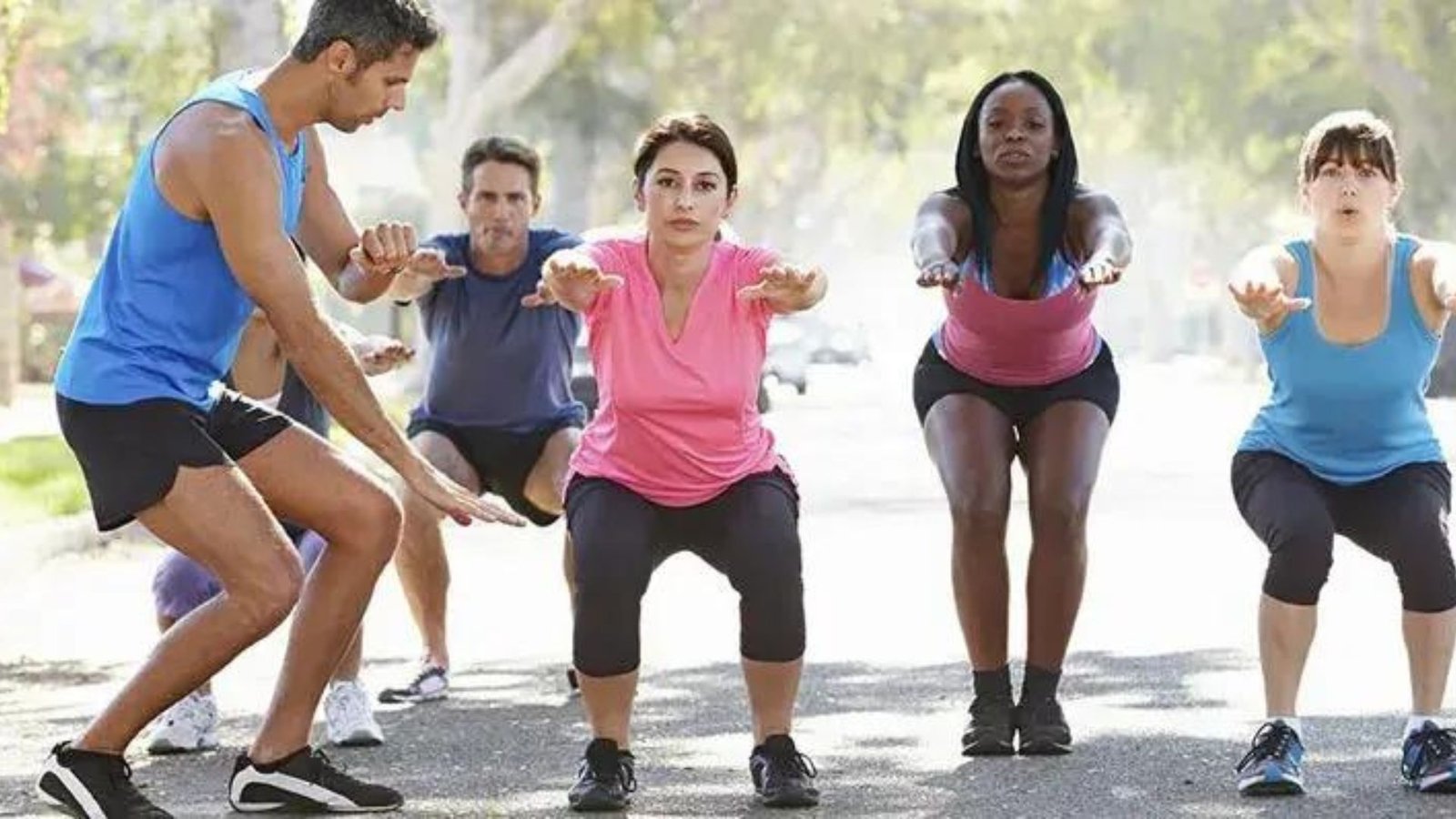
    Are you new to fitness? No worries! Many of the Best Fitness Events are perfect for beginners. These events focus on fun and movement. You don’t need to be super fit to join. Think about fun runs, charity walks, or beginner obstacle races. These events are short and friendly. They also help you meet others who are just starting too.

    Most importantly, they are safe and low-pressure. You will enjoy the vibe. You’ll feel proud after crossing the finish line. And that feeling is priceless. So, don’t wait. Sign up today and take the first step in your fitness journey!

    Step Up Your Game

    Once you’re past the beginner stage, it’s time to try something more challenging. The Best Fitness Events for intermediate athletes include 10K runs, cycling races, or group HIIT competitions. These events help you build strength and stamina. They push you, but not too hard.

    Training for these events also keeps you on track. You set a goal, and that goal keeps you focused. Plus, they offer more excitement and rewards. You may even get a medal or a t-shirt! Also, you meet people who share the same goals. It’s fun and encouraging.

    Stay Informed with the Latest in Urban Living and Entertainment

    MetroDash offers up-to-date news and insights to keep you connected with city life and trends. For those looking to enjoy some online gaming, explore the best no deposit bonuses for casinos that provide risk-free opportunities to win.

    For the Pros

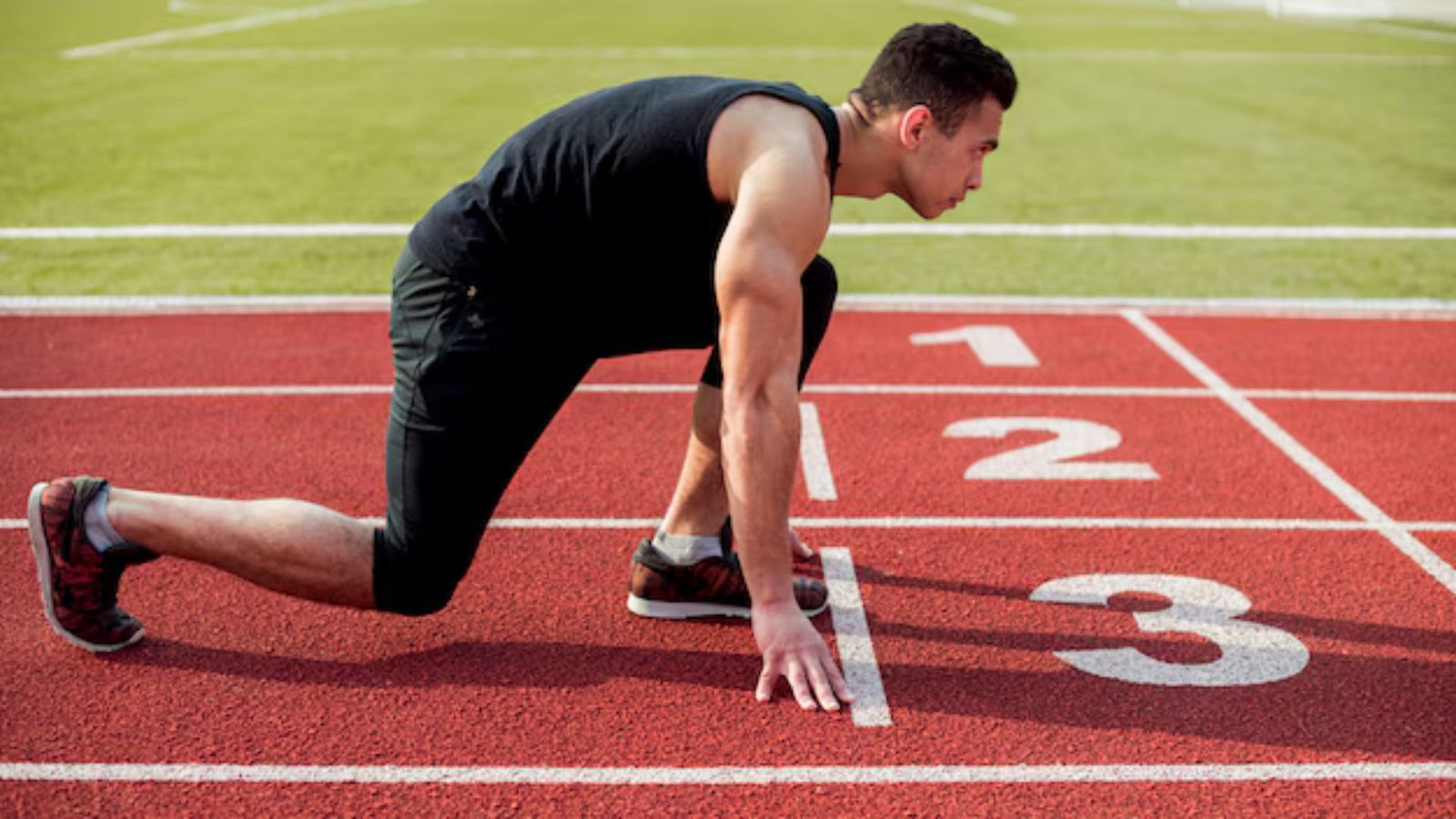
    Are you advanced? Do you train almost every day? Then you should look for the Best Fitness Events at the pro level. Think marathons, triathlons, CrossFit games, or ultra-endurance races. These events are tough. But they are also thrilling.

    They require a serious mindset. You need to train hard and eat right. But they give you a great sense of achievement. When you finish one, you feel like a champ. They also connect you with elite athletes. You learn, grow, and stay inspired.

    The Best Fitness Events for Every Level of Athlete
    The Best Fitness Events for Every Level of Athlete

    Mix Fitness with Fun

    Not all fitness events are about racing or pushing limits. Some of the Best Fitness Events focus on fun and teamwork. For example, mud runs, color runs, or dance marathons. These events are perfect for friends or families. You don’t even feel like you’re working out!

    These fun events keep your energy high. You laugh, move, and enjoy every moment. And guess what? That’s also fitness! Staying active while having fun is the best combo.

    Why Join a Fitness Event?

    There are many reasons to join the Best Fitness Events. First, they help you stay motivated. Second, they give you a clear goal. Third, they let you meet others like you. And fourth, they are simply exciting!

    Whether you want to lose weight, get strong, or just feel better—events make the journey easier. You look forward to the day. You feel the buzz. You cross the line. And you smile wide!

    How to Find the Right One?

    Finding the Best Fitness Events is easy. Start with your level. Are you a beginner, intermediate, or advanced? Next, think about what you enjoy. Do you like running, biking, dancing, or lifting? Then search online or ask friends.

    Also, check local gyms or social media groups. You’ll find posters, updates, or signup links. Join one and give it a shot. Don’t overthink it. Just start. The joy begins once you commit.

    Stay Ahead with MetroDash Updates

    MetroDash provides the latest news, tools, and insights for urban mobility and transport solutions. Explore tips, resources, and innovative approaches to city logistics. Learn more via Jackpotjill Portal. Keep informed about urban transport trends and improvements.

    Sea-Themed Adventure

    Enjoy immersive online games with chances to win big. Casino Wolf Winner sea themed provides engaging challenges and generous prizes. Smooth gameplay ensures a thrilling experience for all players. Start playing now and claim your rewards!

    Discover Exciting Table Games Online

    Metrodash offers a seamless and immersive gaming experience for players looking to explore the latest in online entertainment. Fans of table games will find a wide variety of options that cater to both beginners and seasoned players. The platform ensures smooth gameplay and secure transactions, making every session enjoyable. Dive in today and experience the thrill of top-quality online table games.

    City Life & Urban Entertainment

    MetroDash highlights lifestyle, entertainment, and trends across major cities. Urban sports fans are increasingly engaging with cansportsbetting fantasy sports betting sites usa as part of the digital experience. It reflects how city culture blends with online platforms.

    Final Thoughts

    In the end, it’s all about movement. The Best Fitness Events help you stay active in fun and goal-driven ways. No matter your level, there’s an event for you. Stay consistent, challenge yourself, and enjoy the ride.

    Surprisingly, even some athletes like to unwind with thrilling online games after training, such as a few rounds at a real live dealer casino to boost their adrenaline in a different way.

  • Best Practices for Event Day Logistics

    Best Practices for Event Day Logistics

    Effective event day logistics are crucial for the smooth execution of any event. From coordinating schedules to managing on-site operations, careful planning and organization can make a significant difference in the success of your event. Here’s a detailed guide to the best practices for event day logistics to ensure everything runs seamlessly.

    1. Create a Detailed Event Schedule

    One of the most important aspects of event day logistics is having a comprehensive schedule. Create a detailed timeline that includes every aspect of the event, from setup to teardown. This schedule should outline key activities, such as guest arrivals, speeches, and breaks, with specific times for each. Distribute this schedule to all team members to keep everyone on the same page.

    Practices for Event Day Logistics
    Practices for Event Day Logistics

    2. Conduct a Final Walkthrough

    Before the event begins, perform a final walkthrough of the venue. This allows you to check the setup, ensure all equipment is in place, and address any last-minute issues. The walkthrough should include reviewing seating arrangements, checking audiovisual equipment, and ensuring that all signage is correctly positioned. A final walkthrough helps catch any problems before they affect the event.

    Optimizing Performance: From Urban Dash to Digital Strategy

    The mental discipline required to conquer multi-lap urban obstacle races is similar to the calculated strategy needed to succeed in competitive digital environments. For athletes looking for an engaging mental challenge during rest days, the strategic play and fast-paced rewards at Wolfwinner Online Casino offer a great way to maintain focus.

    3. Assign Roles and Responsibilities

    Clear roles and responsibilities are essential for smooth event day logistics. Assign specific tasks to each team member, such as managing registration, overseeing food and beverage services, or handling technical support. Ensure everyone understands their responsibilities and knows who to contact in case of issues. This organization helps streamline operations and avoid confusion during the event.

    4. Prepare for Contingencies

    Despite meticulous planning, unexpected issues can arise. Prepare for contingencies by having backup plans in place. This might include having spare equipment, additional staff on call, or alternate venues in case of unforeseen circumstances. Being prepared for potential problems helps minimize disruptions and ensures the event continues smoothly.

    Explore Digital Entertainment Beyond City Navigation

    While Metrodash.com helps you navigate the urban landscape efficiently, you might also be interested in exploring other forms of online entertainment during your downtime. For individuals in Australia seeking engaging digital experiences, online casinos australia offer a diverse range of games and potential enjoyment. Discover a different kind of online adventure and see what exciting possibilities await you.

    5. Set Up Efficient Registration and Check-In

    Event day logistics often start with registration and check-in. Streamline this process by using electronic check-in systems or mobile apps to speed up registration. Set up clear signage and provide staff to assist guests with the check-in process. Efficient registration helps reduce wait times and sets a positive tone for the event.

    6. Coordinate with Vendors and Suppliers

    Effective communication with vendors and suppliers is a key component of event day logistics. Confirm delivery times, setup requirements, and any special requests in advance. Ensure that all vendors know where to go and what is expected of them on the day of the event. Coordination helps prevent delays and ensures that all services are provided as planned.

    7. Monitor the Event Flow

    During the event, monitor the flow of activities to ensure everything is proceeding according to the schedule. Have a team member dedicated to overseeing the event and addressing any issues that arise. This oversight helps keep things on track and allows for quick resolution of any problems that might occur.

    8. Manage Guest Experience

    Providing a positive guest experience is crucial for event day logistics. Ensure that guests have access to necessary amenities, such as food, beverages, and restrooms. Be attentive to their needs and address any concerns promptly. A smooth and enjoyable experience for guests contributes to the overall success of the event.

    9. Implement Safety Measures

    Safety is a critical aspect of event day logistics. Ensure that all safety protocols are in place, such as emergency exits, first aid stations, and crowd control measures. Train staff on emergency procedures and have a plan for managing any health or safety issues that may arise. Prioritizing safety helps protect guests and staff and ensures a safe environment for everyone.

    10. Conduct a Post-Event Review

    After the event concludes, conduct a post-event review to assess what went well and identify areas for improvement. Gather feedback from staff, guests, and vendors to gain insights into the event’s success and any challenges encountered. This review helps you refine your event day logistics for future events and ensures continuous improvement.

    Conclusion

    Implementing these best practices for event day logistics ensures that your event runs smoothly and efficiently. From creating a detailed schedule to preparing for contingencies and managing guest experiences, careful planning and organization are key. By assigning clear roles, coordinating with vendors, and monitoring the event flow, you can address issues promptly and provide a positive experience for all attendees. Prioritizing safety and conducting a post-event review further contributes to the success of your event and helps in planning future events more effectively.

  • Techniques for Fitness Event Preparation

    Techniques for Fitness Event Preparation

    Preparing for a fitness event can be both exciting and challenging. Whether you’re gearing up for a marathon, a triathlon, or a local 5K, proper fitness event preparation is key to ensuring that you perform at your best. In this article, we’ll guide you through the essential techniques for fitness event preparation, covering everything from training routines to mental strategies. By following these tips, you’ll be well on your way to achieving your fitness goals.

    When preparing for fitness events, cross-training is crucial for balanced performance. Many athletes incorporate mental focus exercises alongside physical conditioning.

    Some competitors find that brief recreational activities like visiting the Stellarspins Portal help maintain mental freshness during intense training cycles.

    Proper hydration and nutrition remain the foundation of any successful fitness event preparation strategy.

    Remember to schedule adequate recovery time between training sessions to prevent overexertion.

    1. Develop a Training Plan

    One of the most crucial steps in fitness event preparation is developing a solid training plan. This plan should be tailored to the specific event you’re participating in, whether it’s a run, swim, or cycling competition. Start by breaking down your training into manageable segments, gradually increasing the intensity and duration as you build endurance. A well-structured plan will help you stay on track and ensure that you’re adequately prepared for the big day.

    Fitness Event Preparation
    Fitness Event Preparation

    2. Focus on Nutrition

    Nutrition plays a significant role in fitness event preparation. Your body needs the right fuel to perform at its best, so it’s essential to focus on a balanced diet. Incorporate plenty of whole grains, lean proteins, fruits, and vegetables into your meals. As the event approaches, consider carb-loading to boost your energy levels. Additionally, staying hydrated is crucial, so make sure you’re drinking enough water throughout your training.

    Streamline Your Daily Commute with MetroDash

    MetroDash offers real-time transit updates and route planning to make your daily travel smooth and efficient. While managing your schedule, you can also enjoy some online excitement at Kingjohnnie Portal. Combining productivity with entertainment keeps your day balanced and engaging. Explore the convenience of smart transit alongside thrilling online fun.

    3. Incorporate Cross-Training

    While it’s important to focus on the specific activity for your event, cross-training can greatly enhance your overall fitness. By incorporating activities like strength training, yoga, or swimming into your routine, you can improve your flexibility, build muscle, and prevent injuries. Cross-training also helps to keep your workouts interesting and can boost your motivation.

    4. Practice Event-Specific Skills

    Each fitness event requires a unique set of skills. For example, if you’re preparing for a triathlon, you’ll need to practice swimming, biking, and running. Make sure to dedicate time to practising each discipline, paying special attention to any areas where you feel less confident. The more you practice, the more comfortable you’ll become, which will boost your confidence on the day of the event.

    5. Pay Attention to Rest and Recovery

    Rest and recovery are often overlooked but are vital components of fitness event preparation. Your muscles need time to repair and strengthen after intense training sessions. Make sure to schedule rest days into your training plan and listen to your body if you’re feeling fatigued. Proper sleep is also essential, so aim for 7-9 hours of sleep per night to allow your body to fully recover.

    6. Mental Preparation

    Mental preparation is just as important as physical training when it comes to fitness event preparation. Visualizing yourself completing the event can be a powerful tool for boosting confidence and reducing anxiety. Additionally, practice mindfulness or meditation techniques to help calm your mind and stay focused. Positive self-talk can also make a significant difference in your mental approach to the event.

    7. Prepare Your Gear

    Having the right gear can make a huge difference in your performance during a fitness event. Make sure your clothing is comfortable and appropriate for the weather conditions. Invest in a good pair of running shoes or other event-specific footwear that provides the support you need. If your event involves swimming, ensure that your swimsuit, goggles, and cap are all in good condition. Preparing your gear ahead of time will help you avoid any last-minute stress.

    8. Test Your Strategy

    Before the event, it’s essential to test your race-day strategy. This includes practising your pacing, nutrition, and hydration plan during your training sessions. By doing this, you’ll identify any potential issues and make necessary adjustments. Testing your strategy will also give you confidence that you’re ready for the event, knowing that you’ve practised and refined every aspect.

    Conclusion

    Preparing for a fitness event requires dedication, strategy, and attention to detail. By focusing on these techniques for fitness event preparation, you’ll be well-equipped to face the challenges ahead and achieve your goals. Remember, the key to success lies in thorough preparation, so start early and stay committed. Good luck on your journey to the finish line!

  • Enhancing Your Flexibility for Obstacle Courses

    Enhancing Your Flexibility for Obstacle Courses

    Enhancing your flexibility for obstacle courses is essential for overcoming various challenges and improving overall performance. Flexibility helps you manoeuvre through tight spaces, reach high grips, and execute dynamic movements with ease. We’ll give you practical tips and exercises to boost your flexibility and prepare you for any obstacle course.

    How to Enhance Your Flexibility for Obstacle Courses

    1. Incorporate Dynamic Stretching

    Dynamic stretching involves moving parts of your body through their full range of motion. Before your workout, engage in dynamic stretches such as leg swings, arm circles, and high knees. These stretches warm up your muscles and improve flexibility, making it easier to tackle obstacles during your course.

    Enhancing Your Flexibility for Obstacle Courses
    Enhancing Your Flexibility for Obstacle Courses

    2. Practice Yoga Regularly

    Yoga is an excellent way to enhance your flexibility for obstacle courses. Poses like downward dog, pigeon pose, and warrior stretches to increase flexibility and balance. Incorporate yoga sessions into your routine to improve your overall range of motion and core strength.

    3. Perform Static Stretching

    Static stretching involves holding stretches for 20-30 seconds. After your workout, include static stretches for key muscle groups, such as hamstrings, quadriceps, and shoulders. This practice helps to lengthen your muscles and maintain flexibility, crucial for obstacle course success.

    4. Focus on Hip Flexibility

    Hip flexibility is crucial for climbing, jumping, and crawling. Perform exercises like hip openers, butterfly stretches, and lunges to increase flexibility in your hips. This will help you handle obstacles that require wide-leg movements or deep squats.

    5. Include Foam Rolling in Your Routine

    Foam rolling helps release muscle tightness and improve flexibility. Use a foam roller on major muscle groups, such as your quads, hamstrings, and calves. Roll slowly and apply moderate pressure to alleviate muscle tension and increase flexibility.

    6. Strengthen Your Core

    A strong core supports better movement and flexibility. Incorporate exercises like planks, Russian twists, and leg raises into your workout routine. A strong core helps stabilize your body, making it easier to navigate through obstacles.

    7. Perform Mobility Drills

    Mobility drills enhance your joints’ range of motion and overall flexibility. Incorporate drills like hip circles, ankle rolls, and shoulder rotations into your warm-up routine. These drills improve joint flexibility and prepare you for the physical demands of obstacle courses.

    8. Try Resistance Band Exercises

    Resistance bands are useful for stretching and strengthening muscles. Use bands to perform exercises like resisted stretches and banded squats. These exercises help improve your flexibility and strength, essential for tackling various obstacles.

    9. Include Plyometric Training

    Plyometric exercises involve explosive movements that enhance flexibility and strength. Incorporate exercises like box jumps, burpees, and jump squats into your training. Plyometrics improve your power and flexibility, helping you handle high-intensity obstacles.

    10. Stay Hydrated

    Proper hydration is vital for maintaining muscle elasticity. Drink plenty of water throughout the day to keep your muscles hydrated and flexible. Proper hydration also helps prevent cramps and stiffness during and after your workouts.

    11. Incorporate Balance Training

    Balance exercises improve your stability and flexibility. Practice balance drills like single-leg stand, stability ball exercises, and balance board training. These exercises enhance your coordination and flexibility, which are crucial for navigating obstacles.

    12. Stretch Post-Workout

    Always stretch after your workout to improve flexibility and reduce muscle soreness. Focus on areas that felt tight during your workout. Stretching helps lengthen muscles and maintain flexibility, preparing you for future obstacle courses.

    13. Use Active Flexibility Exercises

    Active flexibility exercises involve contracting one muscle group while stretching another. Incorporate exercises like leg lifts, active hamstring stretches, and shoulder stretches. These exercises enhance your flexibility and control, crucial for dynamic obstacle movements.

    14. Improve Your Overall Strength

    Building overall strength contributes to better flexibility. Strengthen key muscle groups through weight training and resistance exercises. Strong muscles support your joints and improve your ability to handle challenging obstacles.

    15. Set Consistent Goals

    Consistency is key to enhancing flexibility. Set realistic goals for your flexibility training and track your progress. Regularly reassess your flexibility and adjust your routine to continue improving and preparing for obstacle courses.

    Conclusion

    Enhancing your flexibility for obstacle courses involves a combination of stretching, strength training, and mobility exercises. By incorporating dynamic stretching, yoga, and specific flexibility exercises into your routine, you can improve your range of motion and overall performance. Consistent practice and a well-rounded approach will help you tackle obstacles with ease and confidence.

  • Best Fitness Events for Adventure Seekers

    Best Fitness Events for Adventure Seekers

    Fitness events for adventure seekers offer a thrilling blend of physical challenges and outdoor exploration. If you’re someone who craves excitement and wants to push your fitness limits, participating in these events can provide both a workout and an adventure. Let’s give you some of the top fitness events that cater to adventure enthusiasts.

    Fitness Events for Adventure Seekers

    1. Spartan Race

    Spartan Races are renowned for their rigorous obstacle courses and challenging terrains. These events are designed to test your endurance, strength, and mental fortitude. With different race lengths like Sprint, Super, and Beast, Spartan Races offer various levels of difficulty to match your fitness goals. Participating in a Spartan Race will give you an adrenaline rush while navigating through mud, climbing walls, and crawling under barbed wire.

    A Fitness Event for Adventure Seekers
    Fitness Events for Adventure Seekers

    2. Tough Mudder

    Tough Mudder is another excellent option for those seeking fitness events with a tough twist. Known for its mud-filled obstacles and teamwork challenges, Tough Mudder events push you to your limits. You’ll face hurdles like ice-cold water, electrical wires, and plenty of mud. It’s an ideal choice for those who enjoy working out with friends and want to add a fun yet challenging experience to their fitness routine.

    3. Trail Running Races

    For those who love the great outdoors and enjoy running, trail running races are perfect. These races take place on natural trails, often through forests or mountains, providing a scenic and rugged challenge. Trail running combines the thrill of running with the beauty of nature, making it an exciting way to stay fit while exploring new terrains.

    4. Adventure Racing

    Adventure racing is a multi-discipline event that includes running, cycling, and kayaking. These races often span several days and require participants to navigate through diverse environments. Adventure racing is suitable for those who enjoy a mix of sports and the challenge of self-navigation in the wild. It’s a true test of physical and mental endurance.

    5. Ironman Triathlons

    Ironman Triathlons are among the most challenging fitness events for adventure seekers. Comprising a 2.4-mile swim, a 112-mile bike ride, and a 26.2-mile marathon run, this event demands exceptional endurance and training. It’s perfect for serious athletes who want to test their limits and achieve a significant fitness milestone.

    6. Mud Runs

    Mud runs are a fun and challenging way to combine running with obstacle courses in muddy conditions. These events are designed to be both physically demanding and enjoyable. You’ll tackle obstacles like mud pits and rope climbs, all while getting dirty. Mud runs are great for those who like to mix fitness with a bit of fun and mess.

    7. Hiking Challenges

    Hiking challenges often involve trekking long distances or climbing steep inclines. These events offer a rigorous workout while allowing you to immerse yourself in nature. Whether it’s a day-long trek or a multi-day hike, these challenges are ideal for adventure seekers who love hiking and want to push their physical boundaries.

    8. Bike Tours

    Bike tours are a fantastic way to combine cycling with exploring new locations. From day-long rides to extended tours across various landscapes, bike tours offer a unique adventure while providing a great workout. They’re perfect for those who enjoy cycling and want to experience different environments and scenic routes.

    9. Obstacle Course Races

    Obstacle course races are designed to test your overall fitness with various physical challenges. These races often include climbing, crawling, and jumping over obstacles, all while racing against the clock. They’re ideal for adventure seekers who want to enhance their fitness while enjoying a competitive and exciting event.

    For adventure seekers looking to combine fitness with thrill, events like Tough Mudder or Spartan Races top the list. The right preparation can make all the difference in conquering these challenges.

    When planning your adventure fitness calendar, it’s wise to research all aspects, much like checking reviews for the bestaubettingsites.com before placing a wager. This ensures you’re fully informed for the experience ahead.

    Always prioritize safety and proper training to get the most out of every rugged event.

    10. Kayak and Canoe Races

    For water lovers, kayak and canoe races offer a dynamic fitness challenge. These events test your upper body strength and endurance while navigating through rivers or lakes. Whether you’re racing solo or as part of a team, these water-based races provide an adventurous workout and a chance to enjoy nature.

    11. CrossFit Competitions

    CrossFit competitions are known for their high-intensity workouts and varied exercises. These events often include a mix of weightlifting, gymnastics, and cardio challenges. If you’re a fan of CrossFit and want to compete, these events offer a great way to showcase your strength and agility.

    12. Ultra-Marathons

    Ultra-marathons extend beyond the standard marathon distance, often covering 50 miles or more. These extreme races test your endurance and mental toughness over long distances. Ultra-marathons are perfect for those who thrive on endurance challenges and seek the ultimate running adventure.

    Conclusion

    Fitness events for adventure seekers offer a unique combination of physical challenge and outdoor exploration. Whether you’re looking for a gruelling obstacle course, a scenic trail run, or a multi-discipline adventure race, these events provide opportunities to test your limits and enjoy thrilling experiences. Embrace these challenges to elevate your fitness journey and satisfy your adventurous spirit.

  • Tips for Conquering Fear in Urban Races

    Tips for Conquering Fear in Urban Races

    Urban races present a unique set of challenges and thrills. Whether you’re a seasoned runner or a newcomer, conquering fear in urban races is essential for performing your best and enjoying the experience. Let’s give you a comprehensive guide on how to manage and overcome your fears, ensuring you’re ready for any urban race.

    Steps for Conquering Fear in Urban Races

    1. Understand the Urban Environment

    Urban races often take place in bustling cityscapes with various obstacles and distractions. Familiarize yourself with the course layout, including any challenging spots like busy intersections or tight turns. Knowing what to expect can reduce anxiety and help you stay focused.

    Urban racing requires the same strategic mindset as planning your approach to Jackpot Town online rewards—both demand focus and smart execution. Visualizing success before hitting the pavement can transform anxiety into adrenaline.

    Practice pacing on familiar routes to build confidence for race day.

    Use positive self-talk to drown out doubts when navigating crowded streets. Remember that every seasoned runner once faced their first starting line jitters.

    Embrace the urban energy as fuel rather than letting it overwhelm your focus. Your mental preparation is just as crucial as your physical training regimen. Channel that nervous energy into controlled, powerful strides toward the finish.

    Conquering Fear in Urban Races
    Conquering Fear in Urban Races

    2. Visualize Your Success

    Visualization is a powerful tool for overcoming fear. Spend time imagining yourself navigating the racecourse successfully. Picture yourself handling any challenges smoothly. This mental rehearsal can boost your confidence and reduce stress.

    3. Set Realistic Goals

    Setting achievable goals can help you stay motivated and focused. Break down your race objectives into smaller, manageable targets. Instead of fixating on finishing first, concentrate on completing the race or improving your personal best.

    4. Train Specifically for the Race

    Tailor your training to match the conditions of the urban race. If the course includes lots of stairs or uneven terrain, incorporate similar elements into your workouts. Training in a similar environment can help you feel more prepared and less fearful.

    5. Practice Mindfulness Techniques

    Mindfulness can help you stay calm and focused during the race. Practice deep breathing exercises, progressive muscle relaxation, or meditation to manage your anxiety. Incorporating these techniques into your routine can help you remain composed on race day.

    6. Use Positive Affirmations

    Positive affirmations can shift your mindset and conquer fear. Repeat phrases like, “I am prepared,” or “I can handle this,” to boost your self-belief. Affirmations help replace negative thoughts with positive ones, increasing your confidence.

    7. Participate in Smaller Races

    Gain experience and reduce your fear by participating in smaller races or training runs. These events provide opportunities to practice your skills and build confidence in a less intimidating setting. Gradually, you’ll feel more comfortable tackling larger urban races.

    8. Train with a Group

    Training with a group can offer support and encouragement. Running with friends or joining a running club provides a sense of camaraderie and shared experience. This support network can help ease your anxiety and build your confidence.

    9. Focus on the Present

    Avoid dwelling on potential problems or past experiences. Instead, concentrate on the present moment and what you can control. Focusing on your current effort helps reduce fear and keeps you engaged in the race.

    10. Prepare for the Unexpected

    Urban races can be unpredictable, with elements like weather changes or unexpected obstacles. Prepare for these uncertainties by carrying essentials like a rain jacket, extra water, or energy gels. Being prepared for the unexpected can help you feel more in control and less fearful.

    11. Practice Visualization of Different Scenarios

    In addition to visualizing success, imagine handling potential challenges during the race. Picture yourself navigating through crowded areas or overcoming any unexpected issues. This preparation can make you feel more equipped to handle real race-day situations.

    12. Learn from Past Experiences

    Reflect on previous races to identify what worked well and what didn’t. Analyze how you handled fear in the past and use those insights to improve your approach. Learning from past experiences helps you build resilience and confidence for future races.

    13. Establish a Pre-Race Routine

    Create a pre-race routine that helps you feel calm and prepared. This could include a warm-up, stretching, or listening to calming music. Having a routine helps you get into the right mindset and reduces pre-race jitters.

    14. Embrace the Challenge

    Instead of viewing the urban race as something to fear, see it as an opportunity for growth and adventure. Embrace the challenge and view it as a chance to test your abilities and push your limits. This positive mindset can transform fear into excitement.

    15. Celebrate Your Achievements

    No matter the outcome, celebrate your achievements. Completing an urban race is a significant accomplishment, and recognizing your efforts boosts your confidence and motivation for future races. Reward yourself for overcoming fear and reaching your goals.

    Conclusion

    Conquering fear in urban races involves understanding the environment, preparing thoroughly, and adopting a positive mindset. By following these tips, you can manage your anxiety and perform at your best. Embrace the challenge, trust in your preparation, and enjoy the thrill of the race!

  • How to Create a DIY Obstacle Course for Training

    How to Create a DIY Obstacle Course for Training

    Creating a DIY obstacle course for training is a fantastic way to stay fit and challenge yourself in a fun, engaging way. Whether you’re preparing for a competition or just looking to add variety to your workout routine, designing your obstacle course can provide an excellent workout experience. Let’s give you a step-by-step guide to help you build an effective DIY obstacle course for training.

    1. Define Your Goals

    Before you start building your DIY obstacle course for training, determine your fitness goals. Are you focusing on strength, agility, endurance, or a combination of these? Knowing your objectives will help you design obstacles that target specific areas of fitness.

    DIY Obstacle Course for Training
    DIY Obstacle Course for Training

    2. Choose a Suitable Location

    Select an area where you have enough space to set up your obstacle course. This could be your backyard, a local park, or any open area. Ensure the location is safe and has enough room to accommodate various obstacles and movements.

    3. Plan Your Course Layout

    Sketch out your obstacle course layout on paper. Decide where each obstacle will go and how they will be connected. Planning helps you visualize the course and ensures you use the space efficiently.

    4. Gather Materials

    Collect materials needed to build your DIY obstacle course for training. Common materials include wood planks, tires, ropes, cones, and sandbags. You can repurpose items you already have or purchase new ones from hardware stores.

    5. Build a Balance Beam

    A balance beam is a great obstacle to improving coordination and balance. Use a sturdy wooden plank or a piece of PVC pipe. Secure it at a low height above the ground to make it safer, and ensure it’s stable.

    6. Set Up Tire Hurdles

    Tire hurdles are excellent for agility training. Arrange tires in a line, spacing them about a foot apart. You can adjust the height of the tires to match your fitness level. Jumping over or running through these tires will enhance your agility and footwork.

    7. Create a Rope Climb

    A rope climb is a fantastic way to build upper body strength. Secure a strong rope to a high point, like a tree branch or a sturdy beam. Ensure the rope is anchored securely and is long enough to allow for climbing.

    8. Install Cone Drills

    Cone drills improve speed and agility. Place cones in a zigzag pattern or in various formations. Use these cones for sprinting, weaving, or changing direction quickly. Adjust the distance between cones to increase the difficulty.

    9. Build a Sandbag Carry

    Sandbag carries are great for strength training. Fill a sturdy bag with sand or gravel and use it as a weight to carry over a set distance. This obstacle enhances your grip strength and endurance.

    10. Add a Wall Climb

    For a more challenging obstacle, create a wall climb. Use wooden planks or other materials to build a small wall that you can climb over. Ensure the wall is securely built and has a soft landing area to prevent injuries.

    11. Set Up a Crawl Space

    Crawling under obstacles helps build core strength and endurance. Use PVC pipes, ropes, or other materials to create a crawl space. Ensure the area is wide enough to crawl through comfortably and is set low to the ground.

    12. Include a Jumping Platform

    A jumping platform can be made from sturdy wood or plastic. Create a platform at a height that challenges your jumping ability. This obstacle helps improve explosive power and leg strength.

    13. Incorporate Water Obstacles

    If you have access to a hose or a small pool, consider adding water obstacles. This could be a shallow pond to wade through or a sprinkler to run through. Water adds an extra challenge and can make the course more fun.

    14. Test Your Course

    Once you’ve built your DIY obstacle course for training, test it out. Go through each obstacle to ensure they’re safe and functional. Make any necessary adjustments to improve stability or difficulty.

    Conclusion

    Creating a DIY obstacle course for training is an excellent way to add variety to your fitness routine. By following these steps and customizing obstacles to your goals, you can build a course that challenges you and helps you achieve your fitness objectives. Enjoy the process of designing and testing your course, and have fun improving your fitness!

  • Ways of Participating in Virtual Races

    Ways of Participating in Virtual Races

    Virtual races have revolutionized the running community by offering flexibility and accessibility to participants worldwide. Whether you’re a seasoned athlete or a beginner, let’s give you fifteen steps to guide you through the process of participating in virtual races.

    Tips for Participating in Virtual Races

    1. Choosing the Right Race

    Select a virtual race that aligns with your fitness level, interests, and schedule. Look for events that offer various distances, themes, and charitable causes to support.

    A lady Participating in Virtual Races
    Participating in Virtual Races

    2. Registering and Setting Goals

    Complete the registration process on the race website or platform. Pay attention to registration fees, which often include a race bib, medal, and sometimes a t-shirt. Set specific goals for your race, such as completing a certain distance or achieving a personal best time.

    3. Creating a Training Plan

    Develop a training schedule tailored to your fitness level and race goals. Incorporate running sessions, cross-training activities, and rest days to improve endurance and prevent injuries.

    4. Understanding Race Guidelines

    Familiarize yourself with the race rules and guidelines provided by the event organizers. Note important details such as submission deadlines for race results, tracking methods, and any specific requirements for completing the race.

    5. Planning Your Route

    Choose a suitable route for your virtual race. Consider factors such as terrain, elevation, traffic conditions, and safety. Ensure your route allows you to complete the designated distance and track your progress accurately.

    6. Testing Technology

    Ensure your tracking device, whether a GPS watch or smartphone app, is fully functional and accurately records your race data. Test your equipment during training runs to troubleshoot any issues beforehand.

    7. Setting Race Day Logistics

    Plan your race day logistics. Prepare your running gear, hydration, nutrition, and any necessary safety items. Choose a convenient time to start your race that allows you to perform at your best.

    8. Starting Strong

    Begin your virtual race with focus and determination. Pace yourself according to your race strategy and maintain a consistent effort throughout. Stay motivated by reminding yourself of your goals and achievements.

    9. Tracking Your Progress

    Monitor your race progress using your chosen tracking device. Record important metrics such as time, distance, pace, and heart rate if applicable. Follow the race guidelines for submitting your results accurately and on time.

    10. Celebrating Milestones

    Celebrate your achievements during the race. Acknowledge milestones such as reaching halfway, setting a new personal record, or completing the race distance. Share your progress with friends, family, or fellow participants.

    11. Staying Hydrated and Fueled

    Stay hydrated and maintain proper nutrition throughout your virtual race. Carry water or sports drinks as needed and consume energy gels or snacks to sustain your energy levels during longer distances.

    12. Pushing Through Challenges

    Expect challenges during your virtual race, such as fatigue or unexpected weather conditions. Stay mentally strong and adapt your strategy as needed. Focus on your progress and keep moving forward towards your goal.

    13. Finishing Strong

    Approach the final stretch of your race with determination. Increase your effort if possible and enjoy the satisfaction of nearing the finish line. Maintain good form and posture to prevent injuries.

    14. Submitting Your Results

    After completing your virtual race, submit your results according to the race guidelines. Verify the accuracy of your data before submission and celebrate officially completing the race.

    15. Reflecting and Setting New Goals

    Reflect on your virtual race experience and accomplishments. Consider what went well and areas for improvement. Set new goals for future races or challenges to continue your fitness journey.

    Conclusion

    Participating in virtual races offers a flexible and engaging way to challenge yourself, connect with a global community of runners, and achieve your fitness goals. By following these fifteen steps—from choosing the right race to reflecting on your achievements—you can make the most of your virtual race experience.

  • Tips for Choosing the Right Training Program

    Tips for Choosing the Right Training Program

    Choosing the right training program is crucial for your personal and professional development. With so many options available, it can be overwhelming to decide which one is the best fit for you. In this article, we’ll share some essential tips for choosing the right training program, ensuring you make an informed decision that aligns with your goals and needs.

    Ways of Choosing the Right Training Program

    Identify Your Goals and Objectives

    The first step in choosing the right training program is to identify your goals and objectives. Ask yourself what you want to achieve through the training. Are you looking to develop a specific skill, gain certification, or advance in your career? Knowing your objectives will help you narrow down your options and choose a program that aligns with your aspirations.

    Choosing the Right Training Program
    Choosing the Right Training Program

    Research Program Content and Curriculum

    When choosing the right training program, it’s important to thoroughly research the content and curriculum. Look for a program that covers the topics you are interested in and offers comprehensive training. Check if the curriculum is up-to-date and relevant to current industry standards. This will ensure you gain the knowledge and skills needed to succeed in your field.

    Consider the Training Format

    Training programs come in various formats, including in-person, online, and hybrid. When choosing the right training program, consider which format suits your learning style and schedule. Online programs offer flexibility and convenience, while in-person training provides hands-on experience and networking opportunities. Hybrid programs combine the best of both worlds, offering a mix of online and face-to-face learning.

    Evaluate the Instructor’s Expertise

    The expertise and experience of the instructor play a significant role in the quality of the training program. When choosing the right training program, research the instructor’s background, qualifications, and industry experience. An experienced instructor with a solid track record can provide valuable insights, practical knowledge, and guidance throughout the training.

    Check Reviews and Testimonials

    Reading reviews and testimonials from past participants is a great way to gauge the effectiveness of a training program. When choosing the right training program, look for feedback on the program’s content, instructor, and overall experience. Positive reviews and high ratings indicate that the program has been beneficial for others and can be a good fit for you as well.

    Assess the Program’s Accreditation and Certification

    If you are looking to gain certification, it’s important to choose a training program that is accredited and recognized by relevant industry bodies. Accredited programs meet established standards of quality and credibility. When choosing the right training program, check if the certification you will receive is recognized and valued by employers in your field.

    Consider the Cost and Value

    While cost should not be the only factor in your decision, it’s important to consider the value you will get from the training program. When choosing the right training program, compare the cost with the benefits it offers. Look for programs that provide good value for money, including comprehensive content, experienced instructors, and additional resources or support.

    Evaluate the Program’s Support and Resources

    Support and resources can greatly enhance your learning experience. When choosing the right training program, consider what kind of support is available. Does the program offer access to mentors, study materials, or online forums? Having access to additional resources and support can help you make the most of your training and achieve your goals.

    Look at the Program’s Flexibility

    Flexibility is another important factor to consider when choosing the right training program. Look for programs that offer flexible schedules, allowing you to balance your training with other commitments. Some programs offer self-paced learning, while others have fixed schedules. Choose a program that fits your lifestyle and learning preferences.

    Conclusion

    Choosing the right training program requires careful consideration of various factors, including your goals, program content, instructor expertise, and cost. By taking the time to research and evaluate your options, you can find a program that meets your needs and helps you achieve your objectives. Follow these tips to make an informed decision and invest in a training program that will contribute to your personal and professional growth.

  • Tips for Training Alone

    Tips for Training Alone

    Training alone can be both rewarding and challenging. Here are 20 tips to help you maximize your solo workout sessions:

    Steps of Training Alone

    1. Set Clear Goals

    Define specific goals for each workout session. Whether it’s improving endurance, building strength, or mastering a new skill, clarity helps you stay focused and motivated throughout your training.

    A man Training Alone
    Training Alone

    2. Create a Structured Routine

    Develop a structured training plan that includes warm-ups, main exercises, and cool-downs. A routine provides consistency and ensures you cover all necessary aspects of your fitness regimen.

    3. Choose the Right Location

    Select a suitable workout space that accommodates your exercise needs. Whether it’s a home gym, local park, or outdoor trail, ensure it’s safe, accessible, and conducive to your training goals.

    4. Utilize Bodyweight Exercises

    Incorporate bodyweight exercises like push-ups, squats, and lunges into your routine. They require minimal equipment and effectively target multiple muscle groups, enhancing overall strength and endurance.

    5. Incorporate Interval Training

    Intervals alternate between high-intensity bursts and periods of rest or lower intensity. This method boosts cardiovascular fitness, burns calories efficiently, and improves endurance, ideal for solo workouts.

    6. Focus on Form and Technique

    Pay attention to proper form and technique during exercises. Quality repetitions are more effective than quantity alone, reducing the risk of injury and maximizing muscle engagement.

    7. Use Online Resources

    Access online workout videos, tutorials, and fitness apps for guidance and motivation. They offer structured workouts, exercise demonstrations, and progress-tracking tools, supporting your solo training journey.

    8. Invest in Basic Equipment

    Consider investing in essential workout equipment such as dumbbells, resistance bands, or a yoga mat. These versatile tools enhance exercise variety and intensity, expanding your training options.

    9. Set Realistic Expectations

    Set achievable expectations based on your fitness level and progression. Gradually increase intensity and difficulty to avoid burnout and maintain long-term motivation.

    10. Stay Hydrated and Fuelled

    Drink water before, during, and after workouts to stay hydrated. Fuel your body with balanced meals and snacks rich in nutrients to support energy levels and recovery.

    11. Monitor Your Progress

    Track your workouts, set personal records, and note improvements over time. Progress tracking reinforces achievements and helps you adjust your training plan for continuous growth.

    12. Incorporate Flexibility Training

    Include stretching and flexibility exercises to improve mobility, reduce muscle tension, and prevent injuries. Incorporate yoga or dedicated stretching routines into your weekly schedule.

    13. Practice Mental Focus

    Develop mental resilience and focus during solo workouts. Stay present, visualize success, and maintain a positive mindset to overcome challenges and achieve your fitness goals.

    14. Vary Your Workouts

    Keep your workouts diverse and engaging by alternating exercises, intensity levels, and training modalities. Variety prevents monotony and ensures balanced muscle development.

    15. Take Rest Days

    Schedule regular rest days to allow muscles to recover and repair. Rest is essential for preventing overtraining, optimizing performance, and sustaining long-term fitness progress.

    16. Join Virtual Fitness Communities

    Engage with online fitness communities or social media groups for support, accountability, and sharing experiences. Connect with like-minded individuals to stay motivated and inspired.

    17. Challenge Yourself

    Periodically challenge yourself with new exercises, longer distances, or higher intensity levels. Pushing boundaries promotes physical adaptation and boosts confidence in your capabilities.

    18. Focus on Breathing Techniques

    Practice proper breathing techniques during exercises to optimize oxygen intake, enhance endurance, and manage exertion levels effectively. Deep, controlled breathing supports overall workout performance.

    19. Listen to Your Body

    Pay attention to signals of fatigue, discomfort, or pain during workouts. Adjust intensity, modify exercises, or take breaks as needed to prioritize safety and avoid injury.

    20. Celebrate Achievements

    Celebrate milestones, no matter how small, to acknowledge progress and maintain motivation. Reward yourself for consistency and dedication to your solo fitness journey.

    Conclusion

    Training alone offers independence and flexibility in achieving fitness goals. By following these tips and maintaining a disciplined approach, you can optimize your solo workouts for improved strength, endurance, and overall well-being.